Welcome to the Cake Lovers' Paradise 🍰
This website is dedicated to all things cake. Whether you're a baker, a fan of delicious treats, or simply someone who appreciates the artistry and history behind cakes, you've come to the right place.
About Cakes
A cake is a baked sweet treat that has been a staple in many cultures for centuries. It typically consists of layers made from flour, sugar, eggs, and fat such as butter or oil, which are mixed together to form a batter. This batter is then baked in a mold or pan until it rises and solidifies into a soft, textured interior.
Types of Cakes
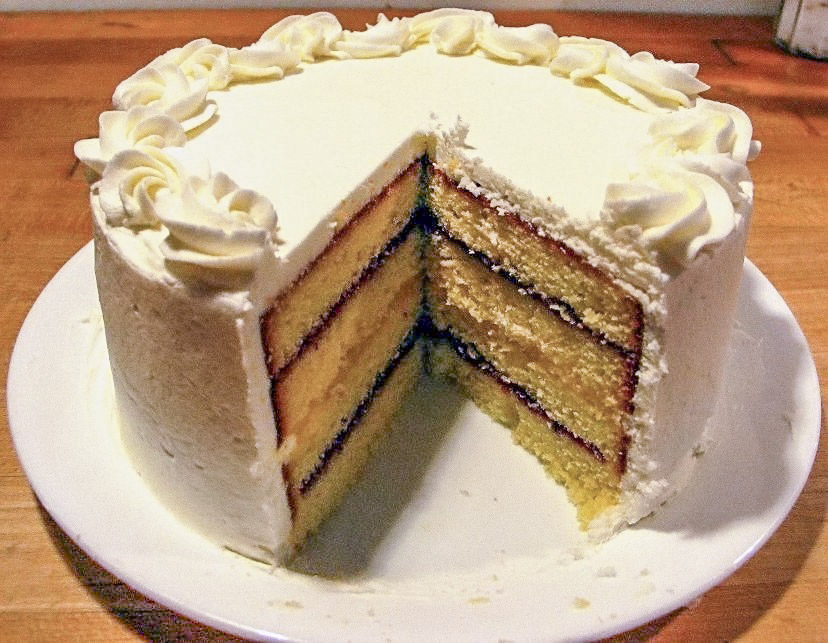
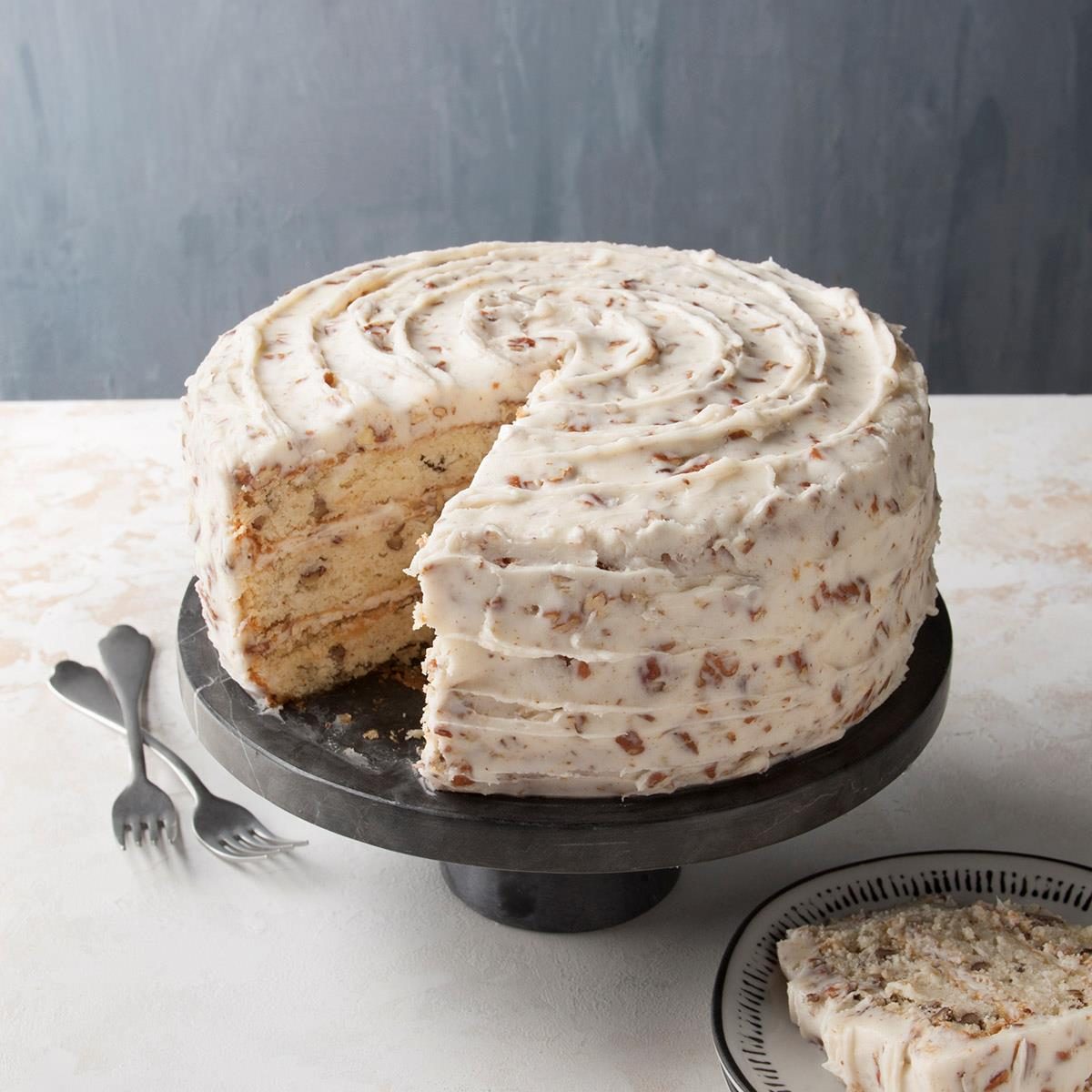
- Layer Cakes: These are multi-layered cakes with fillings between the layers, such as vanilla, chocolate, or fruitcake.
- Sheet Cake: A large, single-layer cake baked in a flat pan, often used for serving groups.
- Pound Cake: Known for its dense texture and rich flavor, made with butter, sugar, eggs, and flour.
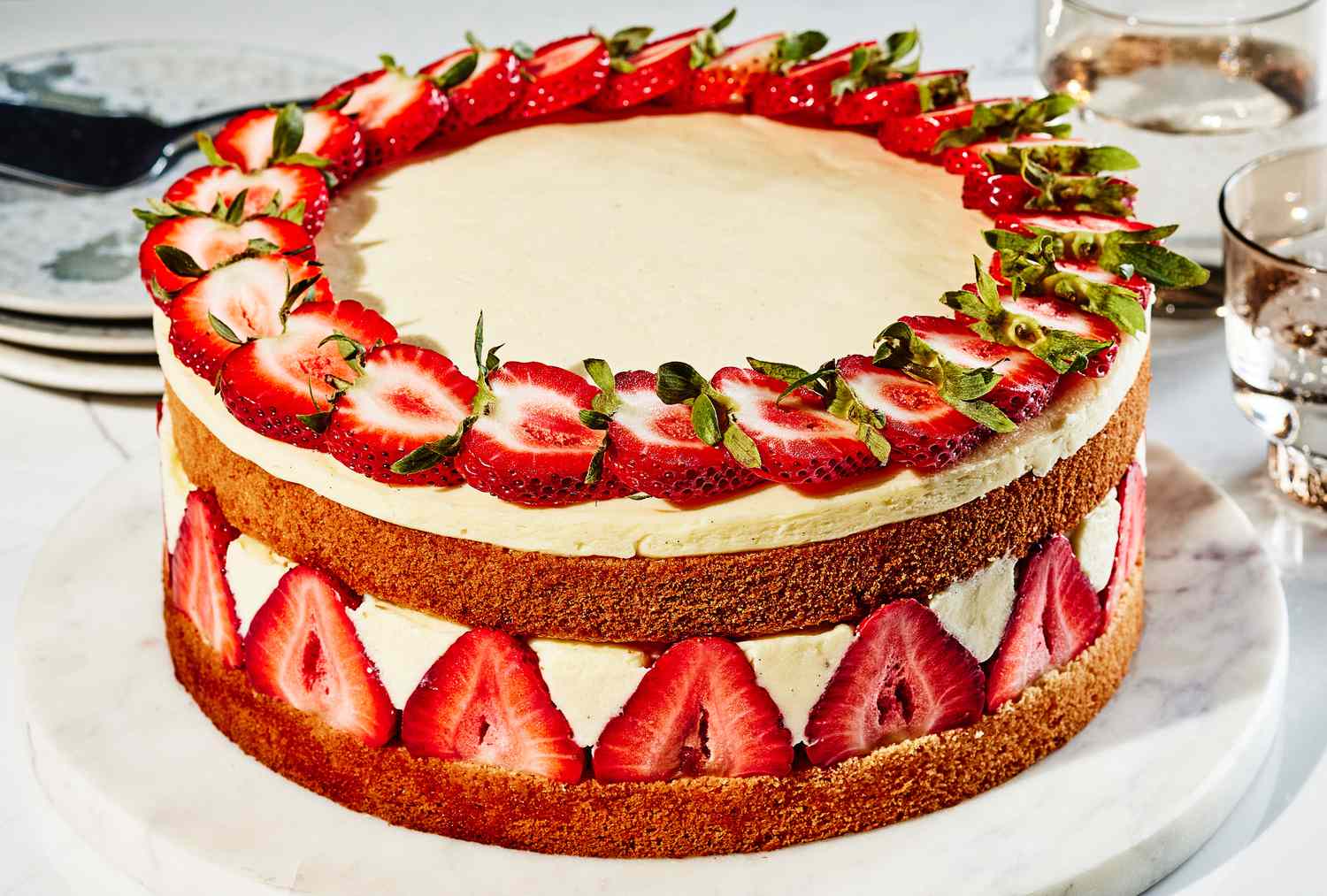
- Sponge Cake: Lightweight and airy, featuring fluffy layers like the Victoria sponge.
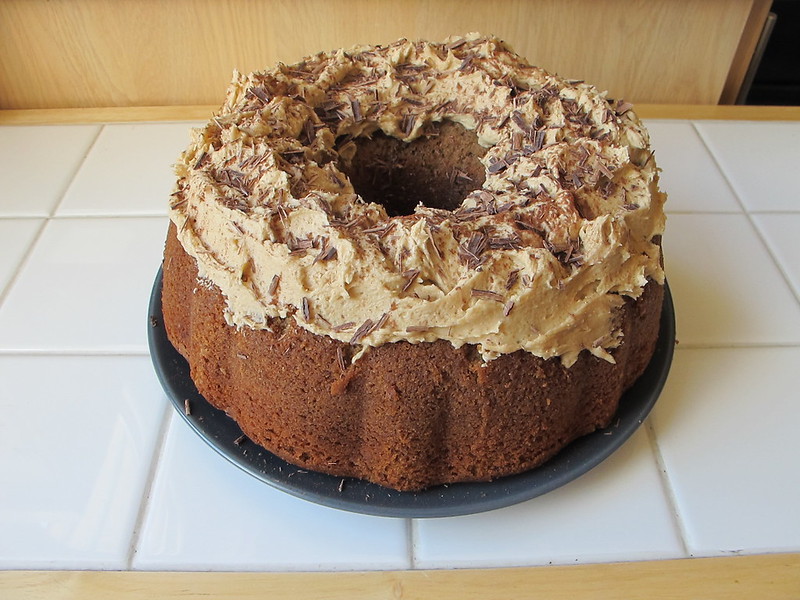
- Bundt Cake: A tube cake with a decorative shape, often served dusted with powdered sugar.
- Fruitcake: Heavily packed with dried fruits and nuts, though sometimes controversial.
Baking Process
Cakes are baked in ovens, where heat transforms the batter into a solid structure. The temperature and duration vary depending on the type of cake, affecting its rise and texture. Proper mixing ensures even distribution of ingredients, crucial for a uniform bake.
Decoration and Serving
After baking, cakes are often adorned with frosting or toppings like buttercream, cream cheese, fruits, or chocolates. Fillings between layers enhance flavor and texture.
Cultural Significance
Cakes symbolize celebration and are central to events like birthdays and anniversaries. They also serve as a creative outlet for bakers, offering diverse flavors and designs to suit various tastes.
In summary, cakes are more than just treats; they're integral to our social fabric, bringing joy and tradition through their preparation and sharing.
History of Cakes
The history of cakes is a rich and evolving tapestry that spans thousands of years, with roots in ancient civilizations and significant developments through various historical periods. Here's an organized overview of cake history:
Ancient Origins
- Early Forms: The concept of cakes can be traced back to early forms of bread baked by ancient civilizations such as the Egyptians and Romans. These early versions were flatbreads, which served as a base for future innovations.
- Sweetened Variations: Over time, people began adding sweeteners like honey or fruits to these primitive baked goods, marking the beginning of what we recognize as cakes.
Medieval Developments
- Leavening Agents: During the medieval period in Europe, cakes started taking more recognizable forms with the introduction of yeast for leavening. This technique made cakes lighter and fluffier compared to earlier, denser versions.
- Cultural Influences: The influence of Arab traders introduced ingredients like citrus fruits and spices into European baking, enriching cake flavors.
Renaissance and Beyond
- Refinement: The Renaissance saw further refinement in cake-making techniques, with the use of fats and eggs becoming more prevalent. This era also saw the development of layered cakes.
- Royal Patronage: Cakes began to symbolize status, particularly among the nobility, who could afford elaborate decorations and ingredients.
Industrial Revolution
- Mass Production: The Industrial Revolution brought significant advancements in baking tools and ingredients, making cakes more accessible and diverse. This period saw the rise of standardized cake mixes and pre-made frosting.
- Culinary Tools: Innovations such as metal baking pans and ovens allowed for greater consistency in texture and appearance.
Modern Diversification
- Global Influences: In the modern era, global trade introduced new ingredients like cocoa from the Americas, leading to the creation of chocolate cakes. This period also saw the incorporation of diverse cultural influences into cake-making.
- Culinary Innovations: The 20th century witnessed the explosion of new cake types, such as cheesecake and red velvet, alongside advancements in baking techniques.
Cultural Significance
- Celebratory Role: Cakes have long been central to celebrations, symbolizing joy and abundance. They are featured prominently in events like weddings, birthdays, and holidays.
- Artistic Expression: The decoration of cakes has become an art form, with intricate designs and decorations reflecting cultural and personal tastes.
Conclusion
The history of cakes is a testament to human creativity and culinary innovation. From ancient flatbreads to the diverse array of modern cakes, each era has contributed unique elements that have shaped the cake we know today. As baking techniques and ingredients continue to evolve, the story of cakes remains an ever-unfolding chapter in global gastronomy.
Cake in Pop Culture
Cakes have been a significant part of pop culture for many years. They are often featured in movies, TV shows, and books, symbolizing various themes such as celebration, romance, and even mystery.
Popular Cake References in Media:
Video Games
Cakes have been a part of video games, often as collectibles or part of gameplay mechanics.
- Portal Series: In the game "Portal," cakes are humorously referenced by GLaDOS in her terminal. The phrase "cake" appears on various terminals and is often associated with rewards for completing test chambers.
- Sims Series: Players can bake cakes in the Sims games as part of cooking activities, which adds to the gameplay's life simulation aspect.
- Minecraft: In Minecraft, players can create cake blocks using wheat and other ingredients. Cakes are often associated with parties or special occasions within the game and can also be used as an alternative to ladders if stacked.
TV Shows
Cakes have been featured in various TV shows, both as plot devices and comedic elements.
- The Great British Bake Off: This reality TV show focuses on baking, including cakes. It has become a cultural phenomenon worldwide, showcasing the art of cake-making.
- Bob’s Burgers: In an episode titled "Cakes for Kate," the characters deal with a problematic cake that causes chaos in their lives.
- The Simpsons: Cakes have appeared in various episodes, often as part of comedic gags or plot twists.
Books
Cakes have been used as creative elements in literature, symbolizing themes like indulgence, celebration, or even magic.
- Madeleine: A Little French Biscuit by Susan Vissé: This children's book tells the story of a magical cake that brings people together.
- The Harry Potter Series by J.K. Rowling: While not directly about cakes, enchanted food and treats like the "fizzing whizbee" play a role in the magical world.
Movies
Cakes have appeared in various films, often as symbols of celebration or plot devices.
- The Bride of Frankenstein: The film features a scene where green eggs and ham are eaten, which is a humorous twist on traditional food choices.
- Paddington 2: A key plot point involves Paddington's quest to find a rare type of marmalade, which can be seen as a metaphorical "cake" in terms of his obsession and desire.
Other Media
Cakes have also been referenced in music, art, and other forms of media.
- Music: Many songs reference cakes, such as "I Hate This Cake" by The Who, which discusses the negative aspects of cake.
- Art: Cakes have been used in contemporary art as symbols of excess and indulgence. For example, some artists create sculptures or installations featuring giant cakes to make social commentary.
Cake continues to be a versatile symbol in pop culture, representing everything from indulgence to creativity. Its presence in various forms of media highlights its cultural significance and enduring appeal.